
The allure of chance and risk
The thrill of risk is central to the appeal of casinos. For many individuals, placing a bet activates a rush of adrenaline similar to that experienced in extreme sports. This sensation is often referred to as a “high” due to the anticipation and excitement surrounding the possibility of winning. The uncertainty of outcomes taps into basic human instincts, where the potential for reward can lead to extensive emotional highs, mimicking the excitement found in gambling’s unpredictable nature. Additionally, many players seek out the best online pokies to enhance their gaming experience, further deepening their engagement with this dynamic of hope intertwined with risk that creates a potent cocktail that keeps players returning for more.
This connection to risk-taking stems from psychological theories around behavior and reward systems in the brain. When a person engages in gambling activities, their brain releases neurotransmitters like dopamine, which play a significant role in feelings of pleasure and motivation. The more uncertain the outcome, the greater the dopamine surge when a win occurs, creating an addictive loop that can draw people back to casinos time and again. With each game, the anticipation builds, making it enticing to return for another chance at that exhilarating sensation.
Additionally, casinos are designed to amplify this experience. The lighting, sounds of spinning reels, and celebratory noises create a stimulating environment that reinforces excitement. The psychological strategy of casinos often includes making the odds seem more favorable than they actually are, drawing players into a cycle of hope and risk. This environment works not just to entice players into spending money but to immerse them in an experience tailored to evoke emotion and drive engagement. The combination of these elements creates a landscape where individuals can temporarily escape their everyday realities and indulge in the allure of chance.
The social aspect of gambling
Casinos are often bustling social hubs where individuals convene to share experiences, celebrate victories, and engage in friendly competition. The social dynamics at play can greatly enhance the appeal of gambling, transforming solitary betting activities into communal experiences. For many, the allure of casinos lies not just in the games themselves, but in the opportunity to socialize with friends or even meet new people who share similar interests. This social aspect can significantly impact why people frequently visit casinos, as the environment fosters a sense of belonging and community.
Moreover, the camaraderie and shared excitement among participants can amplify the enjoyment of games. Celebrating a win becomes a group experience, leading to memorable moments that foster connections. Human beings have an innate desire for community and connection, and casinos provide a unique setting for this. Whether it’s celebrating a big win at a poker table or cheering together during a game, the communal aspect enhances the overall experience, making it more likely that people will return for both the games and the social interactions. The relationships formed in such environments can sometimes transcend the gaming experience itself, creating lasting bonds.

The interactions within the casino environment can also serve as a form of escapism. Many visitors find themselves craving the upbeat atmosphere and the connections fostered in these settings, especially during challenging times in their personal lives. As such, the casino becomes a refuge from everyday stress, allowing individuals to immerse themselves in a lively social environment that distracts them from their worries. The comfort of being around others who share the same interests can provide a sense of belonging, further enhancing the appeal of these venues. This social escape is a crucial aspect of why people are drawn back to casinos time and again.
The role of marketing and environment
Casinos employ sophisticated marketing strategies to draw in customers and enhance their experiences. From loyalty programs to enticing bonuses, these methods are designed to captivate both new and returning visitors. The goal is to make gambling appealing not just for its entertainment value, but as a lifestyle choice. This strategic marketing aligns with psychological principles, encouraging players to associate positive emotions with their experiences, leading to increased foot traffic and repeat visits. By creating an emotional connection, casinos can foster a loyal customer base that feels valued and engaged.
Furthermore, the physical design of casinos plays a crucial role in their attractiveness. From the moment guests step through the doors, they are enveloped in an atmosphere crafted to maximize excitement. Bright colors, engaging sounds, and strategic layouts can significantly impact a visitor’s mood and experience. This sensory engagement keeps patrons entertained and encourages them to stay longer, unwittingly increasing their likelihood to spend more. The carefully curated ambiance serves as a psychological trigger that enhances the desire to participate in gaming activities, making the overall experience more enchanting.
This attention to environmental detail extends to the very positioning of games and amenities within the casino. High-stakes games are crafted to attract thrill-seekers, while low-stakes options cater to those who prefer a more casual approach. Additionally, the availability of distractions such as bars and restaurants is deliberate; they are intended to keep players on the premises, prolonging their experience and making them more likely to engage in gambling. Overall, a casino’s environment is a carefully constructed facade that draws people in and captivates their attention, tapping into complex psychological motivations that keep players engaged.
The impact of wins and losses
The psychological response to winning and losing in a casino is a critical factor in understanding its allure. Winning can trigger feelings of euphoria, validating a player’s decision to gamble and reinforcing the belief that they can replicate that success. This phenomenon creates a psychological hook, leading patrons to believe they are on the cusp of another significant win, even when statistics suggest otherwise. The cycle of hope associated with winning can drive individuals to continue betting, often overlooking the long-term odds against them. This emotional rollercoaster is what keeps many players invested in the experience.
Conversely, the experience of losing also plays a profound role in casino psychology. While losing might seem discouraging, many players adopt a mindset that fuels their desire to recover their losses. This concept is known as the “gambler’s fallacy,” where individuals believe that past losses create a scenario in which a win is more likely. This mindset can lead to chasing losses, where players continue gambling in the hope of regaining their previous stake, often leading to a deeper commitment to gambling and increased monetary loss. The psychological implications of this behavior are significant, as they illustrate the complex relationship between hope and despair in the gambling experience.
This complex relationship with wins and losses is further compounded by the way casinos celebrate victories. By highlighting significant wins, whether through advertisements or in-house promotions, casinos cultivate an image of success, enticing others to partake in the gamble with the hope of achieving similar outcomes. This constant reinforcement of possible success plays a pivotal role in maintaining player engagement and encouraging repeat visits, serving as a potent reminder of the dynamic interplay between triumph and defeat in the gaming world. The emotional stakes involved make the experience all the more compelling.
Exploring online platforms
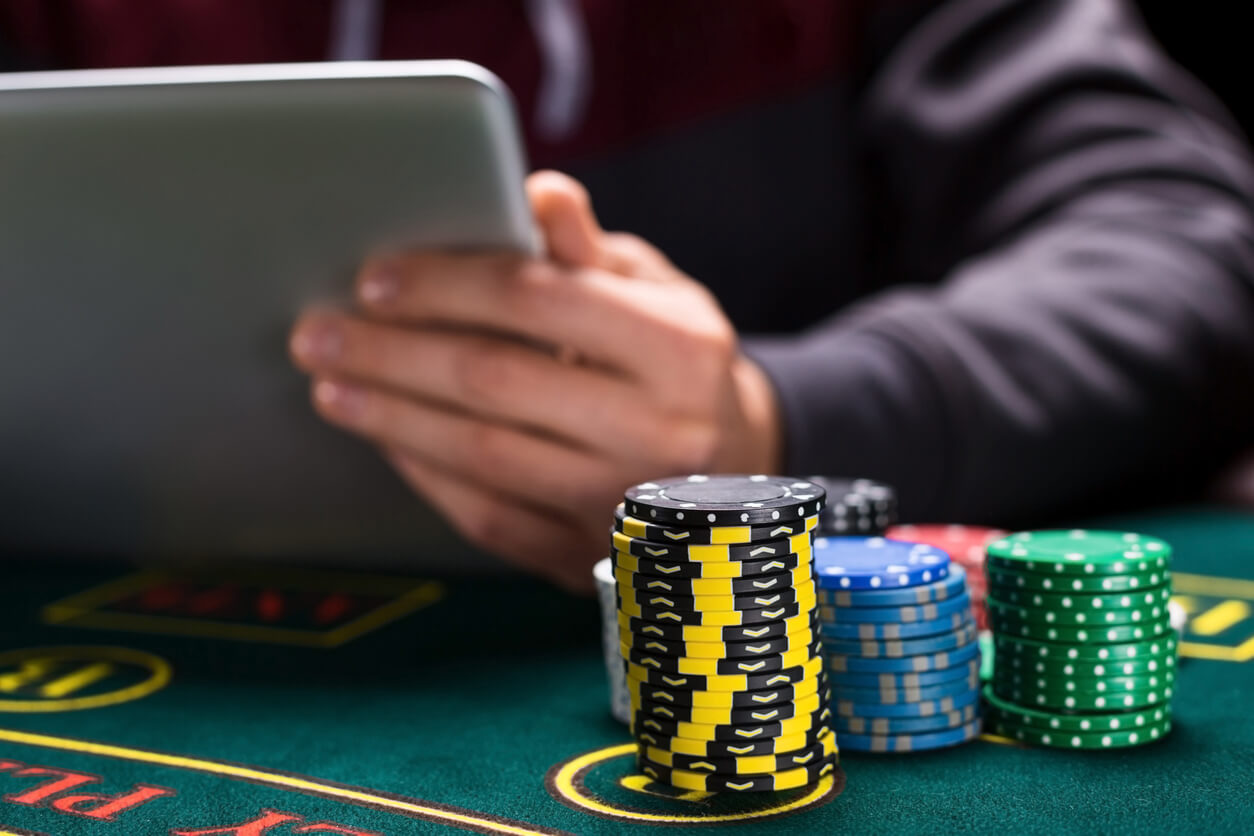
The growing popularity of online casinos introduces a new layer to the psychology of gambling. The convenience of accessing games from the comfort of one’s home has expanded the audience significantly, with many users drawn to the ability to play whenever they choose. This accessibility lowers the barriers to participation and caters to those who may feel intimidated by the physical presence of a traditional casino. The allure of online platforms combines the thrill of gaming with the comfort of privacy, creating a unique environment that appeals to a broad demographic. This shift has transformed the landscape of gambling, making it more inclusive and accessible.
Additionally, the use of technology in online casinos enhances engagement through interactive features and a variety of gaming options. Players can choose from countless games, each with its own unique attributes, catering to diverse preferences and enhancing the gaming experience. The interactive nature of online platforms fosters a more personalized experience, often utilizing algorithms to recommend games based on a player’s history and preferences, thereby making the gambling experience more immersive and responsive. This technological advancement has not only made gambling more engaging but has also created opportunities for operators to connect with players in innovative ways.
Online casinos also replicate some of the social elements found in physical casinos through features such as live dealer games and chat functions. These innovations allow players to interact with each other and the dealer in real time, preserving the social aspect of gambling. This blend of technology, accessibility, and social interaction is creating a new frontier in casino gaming, further demonstrating how psychological factors drive engagement and participation in the ever-evolving gambling landscape. As the online gaming community continues to grow, understanding these dynamics will be crucial for both players and operators alike.